
Padel Court Quote Comparison: 5 Specs That Decide Which Bid Is Actually Cheaper
Two padel court quotes for the same 10 m × 20 m footprint can sit far apart without either supplier being dishonest. The numbers diverge because the documents describe different products: different glass, different steel, different roof fabric, different grass and different commercial terms.
This guide is written for the buyer at decision stage — the facility owner, club operator or contractor holding three or four real bids and needing to know which one is actually cheaper. Five line items decide that answer:
- 12 mm tempered glass and the post structure that carries it
- 750 g/m² PVDF roof fabric on the panoramic model
- 12 mm padel grass at 58,800 stitches/m² with 9000 Dtex yarn
- 200 W IP65 LED lighting
- Purchasing terms and acceptance criteria
The method is identical for all five: replace the label with a stated value, then compare.
Why two padel court quotes are rarely the same product
A padel court is not a single item. It is a structure, a glass enclosure, a playing surface, a lighting installation and — on the panoramic model — a roof. A bid can include or exclude any part of that list, and the exclusion is often invisible in the total.
The official rules settle only part of the specification. The FIP Rules of Padel define the interior playing area as a 10 m × 20 m rectangle with a 0.5% tolerance, require a minimum clear height of 6 m throughout the court with no obstructing elements, specify a 10 m net at 0.88 m in the centre rising to 0.92 m at the ends with a 0.005 m tolerance, and require the court to be completely enclosed. Confirm the current FIP edition and its effective status before treating any of these figures as governing, because editions change.
What the rules do not fix matters just as much. They do not set glass thickness, post wall thickness, coating method, roof fabric weight, grass stitch density, yarn Dtex or luminaire wattage. Those are commercial specifications, and each bidder chooses them independently. That is why a court can be dimensionally compliant and still not comparable with the court next to it on the same tender.
Add the commercial boundary and the gap widens further. Foundation and slab, drainage, perimeter access, installation labour, lifting equipment, freight, insurance, import duty and commissioning can sit inside or outside the quoted number. Two suppliers quoting “the court” may be quoting two different projects.
Decision rule: never ask why a bid is cheaper. Ask which value on which line item is different, and whether that value appears in the document at all.
What has changed in the 2026 padel market
Specification spread is wider now than it was a few years ago, and demand explains part of it. Playtomic and PwC Strategy&, in the Global Padel Report 2026, report that the sport has expanded approximately six times since 2016 and forecast more than 91,000 courts globally by 2028.
A market at that stage attracts new manufacturers, and new manufacturers tend to compete on price first. For a buyer, the practical result is a tender list where the highest and lowest bids sit further apart than the genuine specification difference would suggest. That makes normalization more valuable, not less: the wider the spread, the more of the comparison has to be reconstructed from the line items.
The five line items that decide the comparison
Each of the five below is a place where a bid can be lower for a legitimate reason or lower because a value is missing. The job is to find out which.
1. 12 mm tempered glass and post structure
Glass is the most visible line and the easiest to under-specify. “12 mm tempered glass” describes thickness and heat treatment. It does not describe impact certification, edge treatment, fitting system or the frame that holds it.
LDK states that the 12 mm tempered glass used on its panoramic courts is impact-test certified and pairs it with reinforced frames. That combination — glass plus the structure behind it — is the correct unit to compare, because the two are loaded together.
The post structure is usually where the real price difference sits. LDK's own comparison of its post system against other padel courts lists a 0.5–1.0 mm improvement in wall thickness, hot-dip galvanizing rather than a painted finish, and an extra polishing and deburring step that removes sharp edges. LDK reports that this construction costs about 20% more than the comparison and states an expected post lifespan of more than 20 years with no routine maintenance.
Read that as a specification statement, not a margin statement. A 0.5–1.0 mm wall thickness difference changes the steel mass of every post and rail on the court. Hot-dip galvanizing is a different process from painting, and deburring is labour. If a competing bid is lower on this line, the first check is whether the same three values appear in its bill of materials. If they do not appear at all, the line is not comparable yet.
2. 750 g/m² PVDF roof fabric on the panoramic model
On a roofed panoramic court, the cover is a recurring cost rather than a one-time one. Two variables determine what is being bought: fabric weight in grams per square metre, and coating type.
LDK quotes 750 g/m² PVDF fabric on its panoramic model. PVDF is specified for UV and colour stability relative to standard PE coatings, which is why a PVDF quote and a PE quote for the same roof area are not the same product even when both are described as “panoramic roof fabric”. Fabric weight works in the same direction: heavier fabric consumes more material per square metre and loads the structure differently.
There is also a design constraint that disappears in a price-only comparison. Because the rules require a minimum 6 m clear height across the court with no obstructing elements, the roof and its beams have to sit outside that envelope. A roof quote that does not show how the structure clears 6 m is incomplete, whatever its price.
The roof is also the part of the court most exposed to local conditions. Wind and snow loading, drainage and fixing detail are site-specific, and the bid should carry a structural calculation for the actual location rather than a generic one. Without that calculation, a lower roof price may simply be a lighter structure with no evidence behind it.
3. 12 mm padel grass at 58,800 stitches/m² with 9000 Dtex yarn
“12 mm grass” is a pile height and nothing more. The material cost of a padel surface is driven by how much yarn is tufted into each square metre, and that only becomes visible when two more values are stated.
LDK's specification is 12 mm pile at 58,800 stitches/m² with 9000 Dtex yarn. Stitch density sets how many tufts occupy a square metre; Dtex sets the mass of the yarn itself. Together they approximate the yarn consumed per square metre, which is exactly why the two figures belong beside the pile height in any quote. A bid that lists 12 mm and stops has supplied one third of the surface specification.
A complete grass line should also state gauge, backing construction and the infill or dressing specification, because all three affect playing behaviour and price. Where a bid is silent on backing and infill, the surface is not yet comparable — and on a multi-court project that gap is multiplied across every square metre ordered.
4. 200 W IP65 LED lighting
Lighting is the line item most often compared by wattage alone, and wattage is the weakest available comparison point. A 200 W figure tells you the electrical input. It does not tell you the delivered light, the number of fittings per court, the mounting height or the uniformity across the playing area.
LDK's quoted specification is 200 W IP65 LED. IP65 means the luminaire is dust-tight and protected against water jets — a relevant rating for an outdoor court, and one that should be confirmed on the datasheet rather than inferred from the product description.
To make two lighting lines comparable, request four items from each bidder: luminaire efficacy in lumens per watt, number of fittings per court, mounting height with a layout drawing, and a maintained illuminance and uniformity target for the playing area. Add the driver specification and driver warranty, since the driver is typically the first component to fail. A quote listing 200 W with no layout has not priced lighting; it has priced a fixture count.
The scope boundary matters as much as the fixture. Cable, distribution panel, trenching, controls and electrical certification are frequently excluded, and none of them is a small item on an outdoor installation.
5. Purchasing terms and acceptance criteria
The fifth line item is not a component, yet it moves the effective price more than any of the other four.
Start with the Incoterm. An FOB quote and a DDP quote for the same court are not comparable numbers: one carries freight, insurance, duty and destination charges inside the price, the other leaves them with the buyer. Convert every bid to the same term before comparing totals.
Then check the customs treatment. In the United States, a complete but unassembled padel court — steel structure, safety glass panels, artificial turf and lighting — has been classified under 9506.99.6080 in CBP ruling NY N336509, effective 30 November 2023. A quote issued as one court system and a quote issued as separate components may not attract the same classification and duty treatment. Confirm the position for your own destination and goods description with a customs broker rather than assuming it.
Next, fix the scope split in writing: foundation and slab, drainage, access and fencing, installation labour, lifting equipment, commissioning, site clearance. Every one of these should be marked included or excluded on both bids.
Finally, write acceptance criteria into the contract before signing. The FIP baseline gives measurements you can actually inspect — the 10 m × 20 m interior with 0.5% tolerance, the 6 m clear height, the net dimensions and full enclosure. Add glass certification, post wall thickness, fabric weight, grass density and Dtex, luminaire efficacy and illuminance measurements, plus the documentation package to be handed over. Acceptance tied to stated values is what converts a specification into something enforceable.
Step-by-step: normalizing five bids into one comparison
- Issue one RFQ template, not five different conversations. Use the five headings above as fixed line items with a quantity column. When every bidder prices the same rows, the gaps become visible immediately.
- Require a value, not a label. “Tempered glass” is a label. “12 mm tempered glass, impact-test certificate attached” is a value. Apply the same rule to wall thickness, fabric weight, stitch density, Dtex, wattage and IP rating.
- Convert to one Incoterm and one scope boundary. Move freight, duty, foundation, installation and commissioning into or out of every bid the same way, and record the conversion in the comparison sheet so the original number stays traceable.
- Check the compliance baseline first. Confirm interior dimensions, clear height, net specification and enclosure before discussing price. A bid that fails the baseline is not a cheaper court; it is a different scope.
- Compare residual differences at replacement-adjusted cost. Where bids differ on glass certification, coating method, fabric weight or luminaire efficacy, price the difference across the intended holding period rather than at day one. This is where the 20% post premium and the stated >20-year post lifespan belong in the same sentence.
- Lock the acceptance and payment milestones. Tie final payment to inspection of the stated values. Undefined acceptance criteria are the most expensive omission in a court contract, because they cannot be priced afterwards.
Comparison table: what makes each line comparable
| Line item | Values that make the bid comparable | Why it moves the total | Where to see it in the quote |
|---|---|---|---|
| Glass and post structure | 12 mm tempered glass with impact-test certificate; post wall thickness; hot-dip galvanizing versus painted finish; deburred edges | Wall thickness changes steel mass on every post and rail; coating method and edge finishing change process cost. LDK reports about 20% higher cost for its heavier post system against its comparison | Bill of materials, with glass certificate attached |
| Panoramic roof fabric | Fabric weight in g/m² and coating type (PVDF or PE); structure shown outside the 6 m clear-height envelope; site structural calculation | Fabric weight and coating set both price and cover replacement interval; the roof is the element most exposed to local wind and snow | Roof schedule plus structural calculation |
| Padel grass | 12 mm pile height, 58,800 stitches/m², 9000 Dtex yarn, plus gauge, backing and infill | Stitch density multiplied by yarn Dtex approximates yarn mass per m², the dominant material cost of the surface | Surface schedule with yarn label or retained sample |
| LED lighting | 200 W IP65 LED, fixture count per court, efficacy in lm/W, layout with illuminance grid, driver and warranty | Wattage alone defines neither delivered light nor fitting count, and the driver is usually the first failure point | Lighting layout plus luminaire datasheet |
| Terms and acceptance | Incoterm, HS classification, scope split, FIP dimensional check, warranty, spares, payment milestones | Moves cost between buyer and seller and defines when the court is formally accepted | Commercial section plus inspection plan |
Use cases: where the five line items change the answer
Roofed panoramic court at a coastal or high-wind site. The roof fabric line and the structural calculation carry more weight than the headline price. Compare the 750 g/m² PVDF specification against whatever the other bid actually states, confirm the 6 m clear height is preserved under the structure, and require site-specific wind loading. A lower roof price without a calculation is not a saving yet — it is an unpriced risk.
Multi-court facility. When lighting and grass repeat across several courts, small specification differences multiply. A fitting that delivers less light may require more units per court to reach the same illuminance; a surface with lower stitch density can be quoted at a lower rate across thousands of square metres. Normalize per court first, then multiply by the number of courts.
Buyer deciding between a padel conversion and a tennis court renovation. These are not the same product, and LDK positions its padel courts against traditional tennis courts with a 30% lower initial cost and no routine maintenance in its own description. Whether that holds for a specific site depends on the existing slab, drainage and access — which is exactly why the comparison has to run on the same scope boundary rather than on two headline numbers from two different product categories.
What the supplier side of the quote should prove
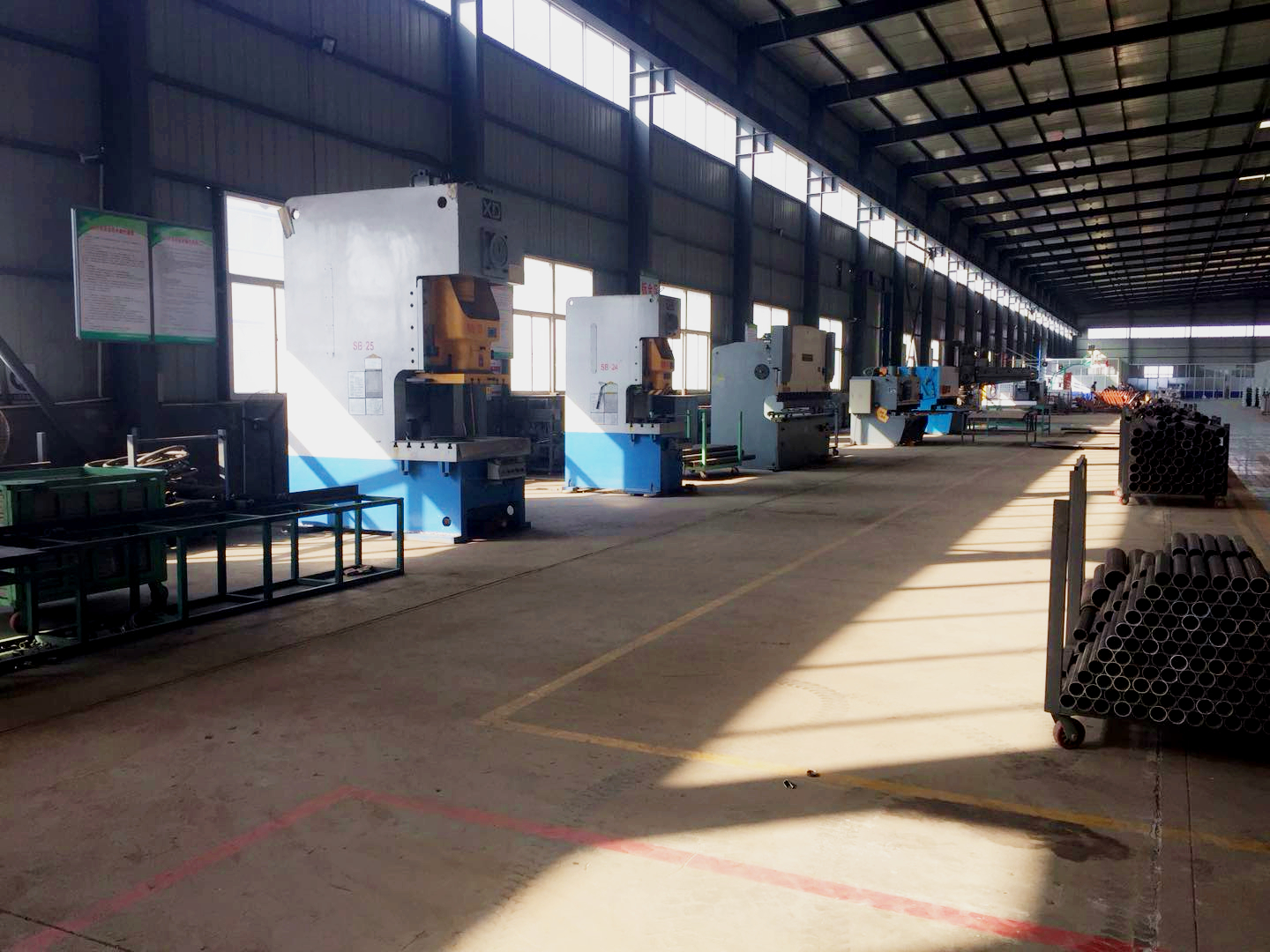
A comparable price still has to come from a supplier able to deliver and document it. LDK (Shenzhen LDK Industrial Co., Ltd.) was founded in 2014 and reports more than 11 years of export experience with a 100% export focus. The company operates a 4,500 m² R&D and production base in Huizhou and a 50,000 m² manufacturing base in Cangzhou, with a 17-engineer R&D team, and holds ISO 9001, ISO 45001, ISO 14001 and CE certification as a verified Alibaba.com Gold Supplier. LDK reports a monthly padel court capacity of 200 units and new product development in as little as 10 days.
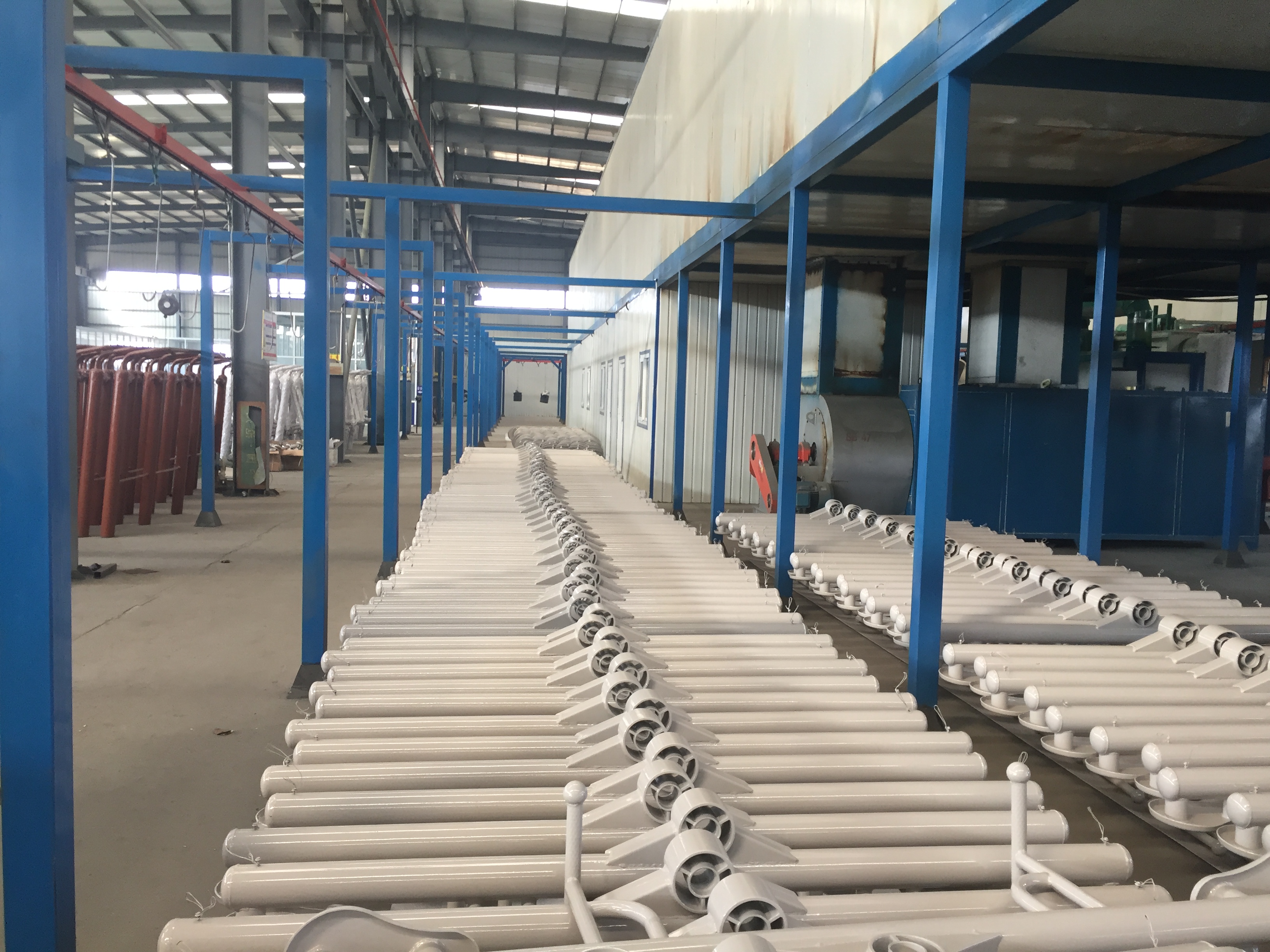
For bid evaluation, four questions do most of the work: which production site will build this order; what the loading on that site looks like in your delivery month; which certificates apply to the exact product and configuration quoted; and who signs the acceptance inspection. Export experience and factory footprint support those answers, but they do not replace them. A supplier with long export history still has to state the glass, steel, fabric, grass and lighting values on the same sheet as everyone else.
Frequently asked questions
Are the five line items required by the FIP rules?
No. The FIP Rules of Padel govern the playing envelope and equipment: a 10 m × 20 m interior with 0.5% tolerance, a minimum 6 m clear height with no obstructing elements, a 10 m net at 0.88 m in the centre and 0.92 m at the ends with 0.005 m tolerance, and a completely enclosed court. Glass thickness, post wall thickness, roof fabric weight, grass density and luminaire output are commercial specifications, not rule requirements, which is precisely why they vary between bids and have to be compared explicitly. Confirm the current FIP edition before treating any figure as governing.
How do I confirm a bidder can actually produce the specification it quoted?
Ask which production site will build the order, then request evidence for each stated value: glass impact certificate, post wall thickness in the bill of materials, fabric weight on the textile datasheet, yarn Dtex and stitch density, and a luminaire datasheet with efficacy figures. LDK, as an example, operates a 4,500 m² R&D and production base in Huizhou and a 50,000 m² manufacturing base in Cangzhou, holds ISO 9001, ISO 45001, ISO 14001 and CE certification, and reports monthly padel court capacity of 200 units. Capacity statements should be checked against your own delivery date rather than accepted as a general claim.
Is the lower-priced post system cheaper over the life of the court?
Not automatically. LDK reports that its heavier post system — 0.5–1.0 mm additional wall thickness, hot-dip galvanizing and extra polishing for deburred edges — costs about 20% more than its comparison and states an expected post lifespan of more than 20 years with no routine maintenance. Whether that premium is justified depends on how long you intend to hold the court and on the local cost of maintaining a painted frame in your climate. The point is to price the difference across the holding period, not to compare a fully specified line against a bare one.
What should a sample or pre-shipment inspection cover?
Cover the five line items against stated values: glass thickness with impact certificate, post wall thickness and coating method, roof fabric weight and coating type, grass pile height, stitch density and Dtex with a retained sample, and luminaire wattage, IP rating and efficacy. Add the dimensional check — 10 m × 20 m interior within 0.5% tolerance and no obstruction inside the 6 m clear height — along with the documentation package that must accompany shipment, including certificates, datasheets and the structural calculation where a roof is supplied.
How do purchasing terms change the real delivery date?
Often more than production does. An FOB quote leaves freight, insurance and destination charges with the buyer; a DDP quote carries them but shifts risk and cash flow. Foundation, drainage and installation are frequently excluded and add site weeks that never appear on the production schedule. Customs treatment also matters: a complete unassembled padel court has been classified under 9506.99.6080 in the United States under CBP ruling NY N336509, while a shipment split into components may be treated differently. Confirm terms, scope and classification for your destination before comparing lead times. LDK can quote against a line-item template like the one above — the useful first step is to send court count, site country and whether the court is roofed, so every returning bid arrives in a comparable format.
Conclusion: the cheaper bid is the one you can compare
A padel court quote is cheaper only when it states the same five values on the same scope boundary as the bid beside it. Glass and post structure define the enclosure and its service life. Roof fabric weight and coating define what the panoramic cover actually is. Stitch density and yarn Dtex define the surface; wattage, efficacy and layout define the lighting. Terms and acceptance criteria define the price you will really pay and the court you will really accept.
Before signing, reduce every bid to those five rows and mark each value as stated, missing or excluded. A missing value is not a discount — it is a decision you have not yet made. For a detailed product reference covering court configurations, structures and surfaces, see the LDK official website.
Next step: download the LDK product brochure for specifications and configuration options, then request a line-item quote using the five headings in this guide.
Download the LDK product brochure (PDF)
Contact: Anna · [email protected] · Tel / WhatsApp 15219504797
Have Questions or Need More Details?
Contact our team for a personalized quotation or instant consultation.
Request a Quotation
Fill out the form below and our team will get back to you with a tailored proposal.
WhatsApp Direct Chat
Prefer to chat in real-time? Message us on WhatsApp for instant assistance & quick answers.
- Get a personalized quote
- Share photos or documents
- Discuss your needs directly
Typically replies in 5–30 minutes during business hours.