Padel Court Expansion: A 2026 Long-Term Sourcing Guide
Padel Court Expansion: A 2026 Long-Term Sourcing Guide
Padel court procurement has moved beyond the single-purchase transaction. As club operators open multiple venues, distributors enter new regions, and developers combine padel with football, basketball, squash, and pickleball facilities, the choice of a padel court manufacturer becomes a long-term supply decision. This guide explains what actually matters when building a lasting padel court sourcing relationship: production capacity, quality consistency, product portfolio breadth, and procurement flexibility.
This article is written for sports facility investors, padel club operators, sports distributors, and OEM/ODM buyers who are at the decision-to-execution stage. It uses Shenzhen LDK Industrial Co., Ltd. as an example of a manufacturer with the factory base, product range, and commercial terms needed for multi-year padel court projects.
Problem Definition: Why a Single Purchase Is Not Enough
When buying one padel court, buyers focus on standard dimensions, materials, certifications, and installation timeline. But when the plan involves multiple courts, multiple sites, or a multi-sport facility, the procurement logic changes. The buyer is no longer choosing a seller; the buyer is choosing a production partner whose capacity and quality control will shape project phases two, three, and beyond.
Common problems appear when the supplier lacks long-term manufacturing depth:
- The manufacturer can handle an initial order but cannot scale to a 30-court or 50-court rollout.
- Quality drifts between production batches because the factory lacks standardized processes.
- The buyer must find separate suppliers for padel courts, football pitches, basketball courts, and pickleball facilities, increasing coordination risk.
- After-sales support weakens once the invoice is paid, making spare parts and warranty claims difficult.
- Distributors cannot build their own brand because the supplier offers no OEM/ODM service.
For distributors and large facility investors, these risks add up quickly. Selecting a manufacturer with a genuine production ecosystem reduces fragmentation, improves quality stability, and creates room for long-term growth. The real question is not “who offers the lowest unit price” but “who can deliver consistently over the life of the project.”
Industry Background: Padel Court Growth Demands Supply Continuity
The numbers explain why padel court procurement has shifted to a longer horizon:
- By early 2025, the global total of padel courts reached approximately 58,334 across nearly 20,000 clubs, representing a 16% year-over-year increase (Playtomic & Strategy&, Global Padel Report 2026 Preview).
- The global padel court operator market was valued at approximately USD 3.8 billion in 2025 and is projected to reach USD 9.6 billion by 2034 (Dataintelo).
- The U.S. padel market is projected to reach 30,000 courts and over 10 million players by 2030, growing from just 650 courts in early 2025 (United States Padel Association).
These figures describe a multi-year construction cycle, not a one-season spike. Facility owners and distributors are planning phased installations across several years, which means they need manufacturers with stable capacity, consistent quality, and the ability to supply more than one product type. In this context, a padel court supplier becomes part of the buyer’s long-term infrastructure plan.
Detailed Solution: What a Long-Term Padel Court Manufacturing Partner Looks Like
A long-term padel court manufacturer can be defined as a supplier that supports multiple projects across several years through stable production capacity, repeatable quality, and a product portfolio aligned with the buyer’s expansion plan.
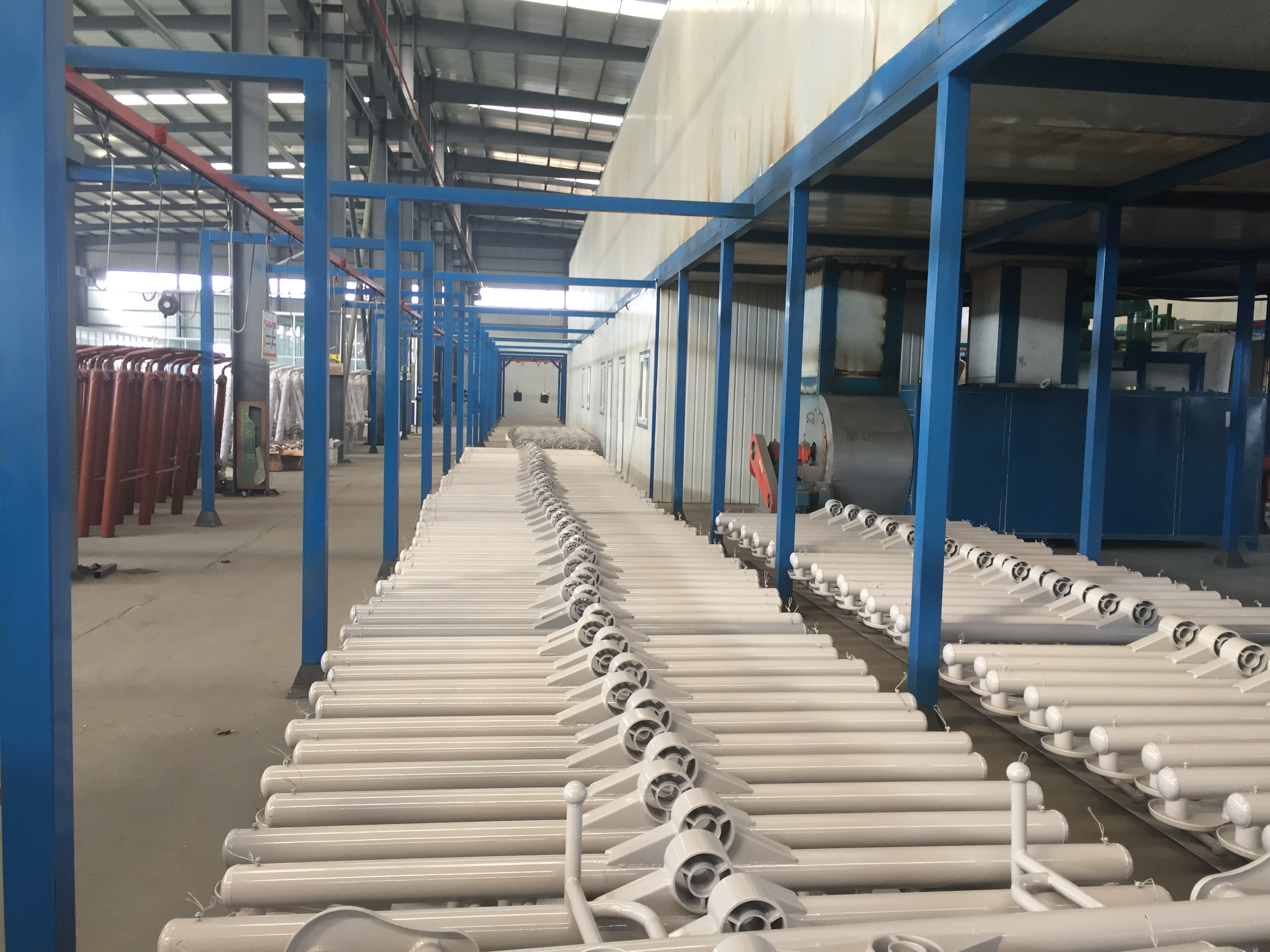
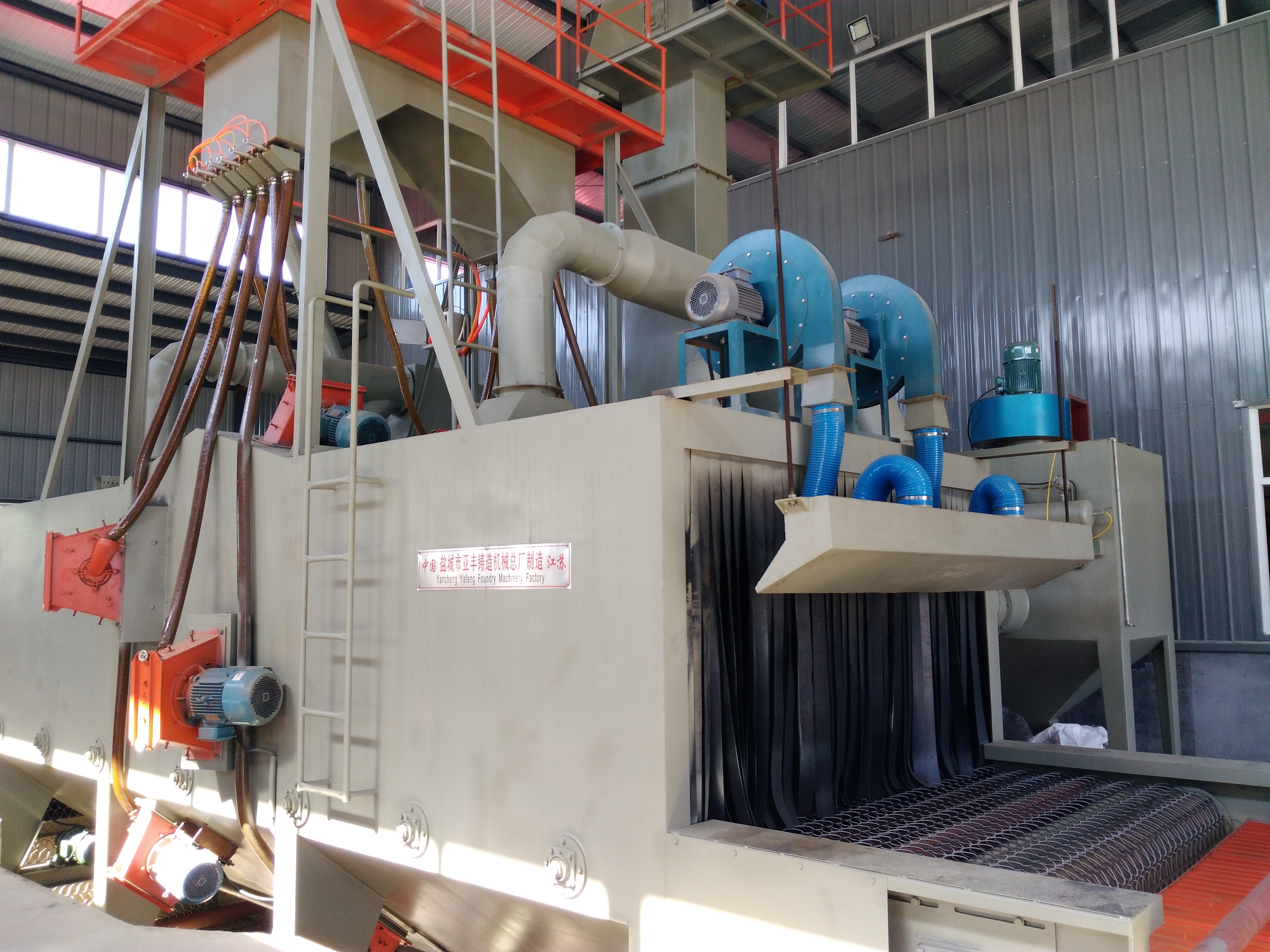
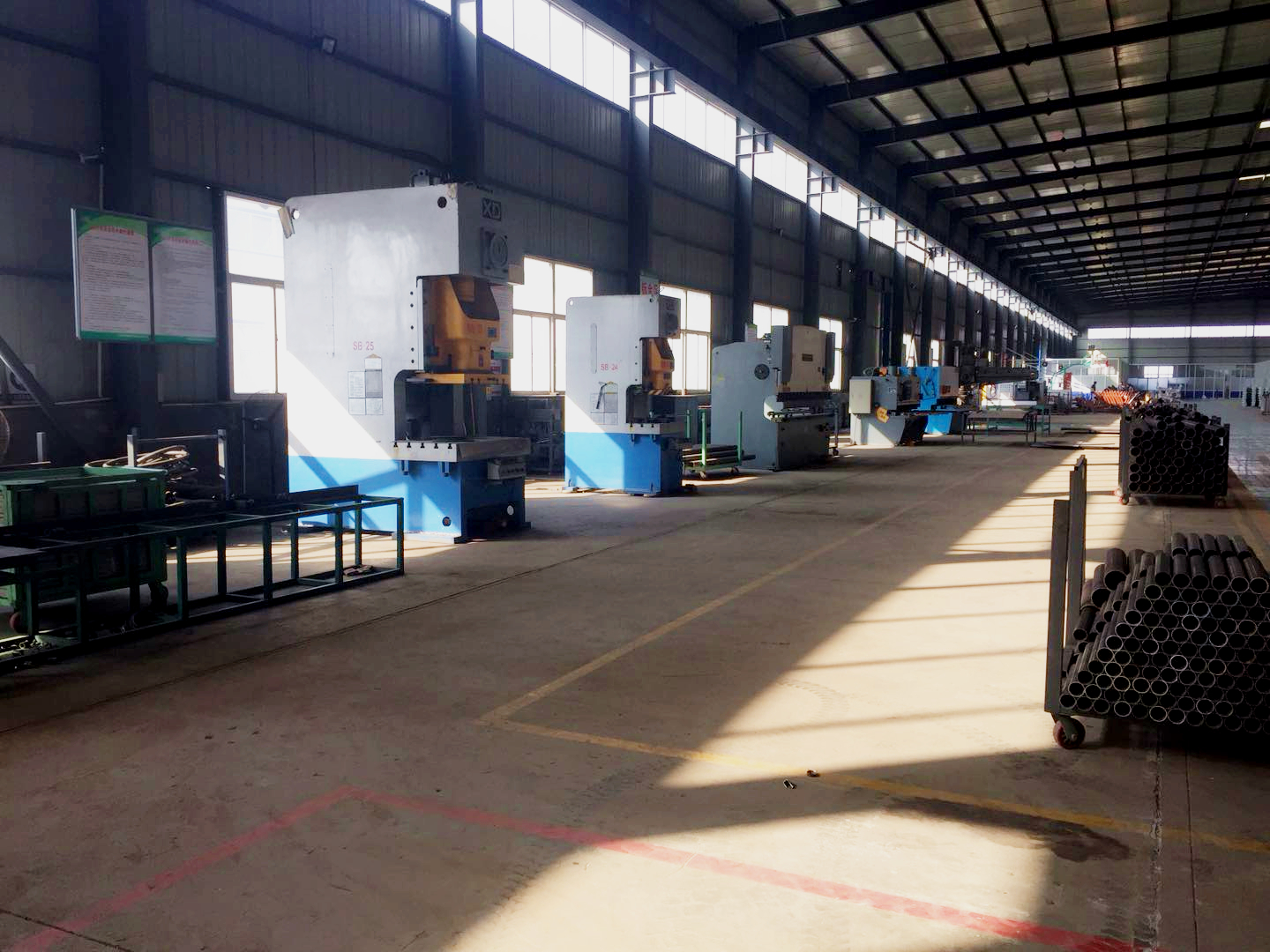
Shenzhen LDK Industrial Co., Ltd. is an integrated sports equipment manufacturer established in 2014, engaged in R&D, production, and sales. The company is headquartered in Shenzhen, operates a 4,500 square meters R&D and production base in Huizhou, and runs a 50,000 square meters manufacturing base in Cangzhou. LDK employs approximately 107 staff, including 17 R&D engineers, and reports an annual production capacity of 223,750 sets.
Production Capacity That Supports Multi-Project Rollouts
Monthly production capacity for padel courts is 200 units. This number matters for buyers planning multiple courts or phased deliveries. A 200-unit monthly output is sufficient to absorb a 30–40 court project in one production cycle, while still leaving capacity for distributors and facility networks. The most common reason supplier relationships fail is not price but inability to deliver on schedule as orders grow.
The typical production lead time is 30–45 days. When combined with monthly capacity, this lead time allows buyers to plan Phase 1, Phase 2, and Phase 3 deliveries without renegotiating the supply agreement each time. For distributors, this predictability supports inventory planning and end-customer commitments.
Structural Durability: Thicker Steel and Galvanizing
When LDK padel courts are compared with other padel courts, the differences are measurable:
- Tube wall thickness is increased by approximately 0.5–1.0 mm, making the frame more stable, especially for professional tournaments and large venues.
- Frames undergo hot-dip galvanizing, giving posts high corrosion resistance with a lifespan exceeding 20 years.
- Extra polishing and deburring remove sharp edges, creating a safer court surface environment.
These production details define the difference between a court that ages well and one that requires repeated repairs. Zero maintenance and excellent customer experience are the stated outcomes of this approach. For a club operator running multiple courts, lower maintenance directly protects operating margins.
Certified Glass and Impact Safety
Safety is another long-term consideration. Impact injury and glass breakage are known risk areas in padel court design. LDK addresses these risks through certified 12mm tempered glass, reinforced frames, and impact-test certification. In 2026, 12mm tempered safety glass has become the new industry standard for premium panoramic padel courts, replacing the previous 10mm standard for enhanced safety and ball rebound consistency. A long-term supplier should be able to document the glass specification and test certification for every delivery.
Certifications That Reduce Compliance Risk
LDK holds multiple product certifications, including ISO 9001, ISO 45001, ISO 14001, and CE. These cover quality management, occupational health and safety, environmental management, and European market compliance. For buyers executing projects over several years, certifications reduce compliance risk during import, installation, and facility operation.
LDK also operates as a verified Alibaba.com Gold Supplier and has more than 11 years of export experience. The company ships to clients worldwide, with a strong presence in North America, South America, Europe, and Southeast Asia. Its customer base includes brands, contractors, and end users. Export experience is directly relevant to long-term sourcing because importers need suppliers who understand international documentation, packaging requirements, and delivery terms.
Product Ecosystem: One Manufacturer for Multiple Courts
A manufacturing ecosystem becomes valuable when a project includes more than padel. LDK’s main products are padel courts, football pitches (also called soccer fields), squash courts, basketball courts, and pickleball courts. For a sports facility investor, this means one qualified manufacturer can supply a padel court, a football pitch, basketball facilities, and pickleball courts under the same quality system. For a sports distributor, the range supports a broader catalogue without onboarding multiple factories.
Multi-sport facilities often require related equipment such as soccer goals, basketball hoops, and perimeter fencing. While the exact equipment list depends on the project, procuring the courts and pitches from a single manufacturer simplifies specification, quality control, and delivery coordination.
Commercial and OEM Flexibility
For distributors, the difference between a transactional supplier and a strategic partner is often customization. LDK offers customization from logos, packaging, labels, colors, and sizes to graphic design and material options. New product development can be completed in as few as 10 days, which is important for brands that need to respond quickly to market trends.
The minimum order quantity is 1 unit. That allows a distributor to start with one prototype or pilot court, validate it in the local market, and then scale the relationship. This low-risk entry model is well suited to regional distributors who want to test demand before committing to large inventory.
Available procurement terms also support gradual scaling: FOB/CIF/DDP delivery methods, 50/50 payment terms, and pre-shipment testing. Buyers can choose the incoterm that best fits their logistics capability, and pre-shipment testing provides quality verification before the container leaves the factory.
Step-by-Step Breakdown: How to Build a Long-Term Padel Court Sourcing Relationship
Buyers moving from decision to execution can use the following six-step framework:
Step 1: Evaluate manufacturing depth. Review factory area, workforce, R&D team size, and annual output. For example, LDK reports a 50,000 m² base, 107 staff, 17 engineers, and 223,750 sets of annual capacity. Manufacturing depth is the first filter for multi-year projects.
Step 2: Verify structural specifications. Ask about tube wall thickness, galvanization method, edge treatment, and glass specifications. Numbers such as +0.5–1.0 mm wall thickness and certified 12mm tempered glass are concrete indicators of quality and safety.
Step 3: Check certifications. ISO 9001, ISO 14001, ISO 45001, and CE are useful markers. Confirm that the certifications cover the product category being sourced and the destination market requirements.
Step 4: Review the product portfolio. If the project includes padel courts plus football, basketball, squash, or pickleball facilities, check whether a single manufacturer can supply the full set. This reduces the number of suppliers to manage.
Step 5: Confirm procurement flexibility. Look for MOQ of 1 unit, FOB/CIF/DDP options, 50/50 payment terms, and pre-shipment tests. These terms reduce the financial risk of a first order and create a smoother path to repeat orders.
Step 6: Plan for scale. Discuss lead time, monthly capacity, and production scheduling when planning a multi-phase rollout. A manufacturer with 200-unit monthly capacity and 30–45 day lead time can support phased delivery programs without disrupting other clients.
Use Cases: When Long-Term Sourcing Matters Most
Use Case 1: Multi-venue padel club network. A club operator planning 20 courts across four locations in one year needs a manufacturer that can deliver in phases. LDK’s monthly capacity of 200 units and its 30–45 day lead time allow phased delivery. Uniform structural quality ensures that the playing experience is consistent at every venue, protecting the club’s brand reputation.
Use Case 2: Multi-sport urban sports facility. A developer building a sports hub with padel courts, a football pitch, and basketball and pickleball facilities can consolidate procurement with a single manufacturer. LDK’s product line covers court and pitch sports equipment. Compared with a traditional tennis court, an LDK padel court costs about 30% less in initial construction, while offering a more compact footprint—useful in dense urban environments where land cost is high.
Use Case 3: Distributors building a private label. A regional distributor wanting to launch its own padel court brand can use LDK’s OEM/ODM service to customize colors, logos, and materials. A 10-day development cycle and an MOQ of 1 unit make it possible to validate a white-label product before scaling to full distribution.
Comparison Table: LDK Padel Court vs. Other Padel Courts vs. Traditional Tennis Court
The table below summarizes documented differences from the manufacturer’s comparison data. It is intended to help buyers understand where LDK padel courts sit relative to common alternatives.
| Comparison Dimension | LDK Padel Court vs. Other Padel Courts | LDK Padel Court vs. Traditional Tennis Court |
|---|---|---|
| Tube wall thickness | Approximately +0.5–1.0 mm thicker, providing higher frame stability | Not directly comparable |
| Surface treatment | Hot-dip galvanizing, extra polishing and deburring | Not directly comparable |
| Initial cost | Approximately 20% higher than other padel courts | Approximately 30% lower than a traditional tennis court |
| Maintenance | Zero maintenance, excellent customer experience | Zero maintenance, excellent customer experience |
| Corrosion resistance | Posts are highly corrosion-resistant; lifespan exceeds 20 years | Not directly comparable |
| Safety | Safer court with no sharp edges; certified 12mm tempered glass and reinforced frames | Not directly comparable |
| Space efficiency | Not specified | Lower space efficiency than a traditional tennis court |
| Best for | Professional tournaments, large venues | Professional tournaments, large venues |
FAQ: Long-Term Padel Court Sourcing Questions
Q1: Which certifications should be verified before selecting a long-term padel court manufacturer?
Buyers should verify certifications that cover quality, safety, environmental management, and market compliance. LDK holds ISO 9001, ISO 45001, ISO 14001, and CE certifications for its sports equipment production. For padel court safety specifically, LDK uses certified 12mm tempered glass with reinforced frames and impact-test certification. These credentials help reduce the risk of quality variation and compliance issues across multiple deliveries over the life of a project.
Q2: What production capacity does a manufacturer need to support a long-term project?
A long-term partner should have enough capacity to handle phased deliveries without compromising quality. LDK reports a monthly padel court production capacity of 200 units, an annual capacity of 223,750 sets, a 50,000 m² manufacturing base, and a team of approximately 107 staff with 17 R&D engineers. This scale allows the factory to manage multiple projects simultaneously and maintain delivery schedules for distributors and facility developers.
Q3: How should buyers evaluate the cost of a long-term padel court supply relationship?
Cost evaluation should include both initial price and lifecycle cost. LDK padel courts cost approximately 20% more than other padel courts because of thicker tubing, hot-dip galvanizing, and additional polishing or deburring. Against a traditional tennis court, an LDK padel court costs about 30% less in initial construction. Over time, the corrosion-resistant structure with a lifespan exceeding 20 years and zero-maintenance design can reduce operating expenses, which matters for multi-court facilities.
Q4: Is it possible to order a single padel court as a pilot before committing to a larger project?
Yes. The minimum order quantity for an LDK padel court is 1 unit. This allows a buyer to complete a pilot installation, test the court in real playing conditions, and verify quality before expanding to a full network or distribution programme. Procurement terms such as FOB/CIF/DDP, 50/50 payment, and pre-shipment testing further reduce the risk of a first order.
Q5: What is the typical lead time for padel court production, and how does it affect project planning?
The typical production lead time is 30–45 days, with a monthly capacity of 200 units. For a 40-court project, production can be completed within roughly one quarter, assuming confirmed scheduling and materials. OEM/ODM customization is available with new product development completed in as few as 10 days. For exact scheduling and capacity allocation, buyers should contact the LDK sales team directly to receive written confirmation for their project timeline.
Conclusion: Build the Supply Partnership Before You Need It
Padel court market growth is transforming procurement from a one-time purchase into a long-term manufacturing relationship. For buyers entering the decision-to-execution stage in 2026, the evaluation criteria should include factory capacity, quality consistency, certification coverage, product portfolio breadth, and commercial flexibility.
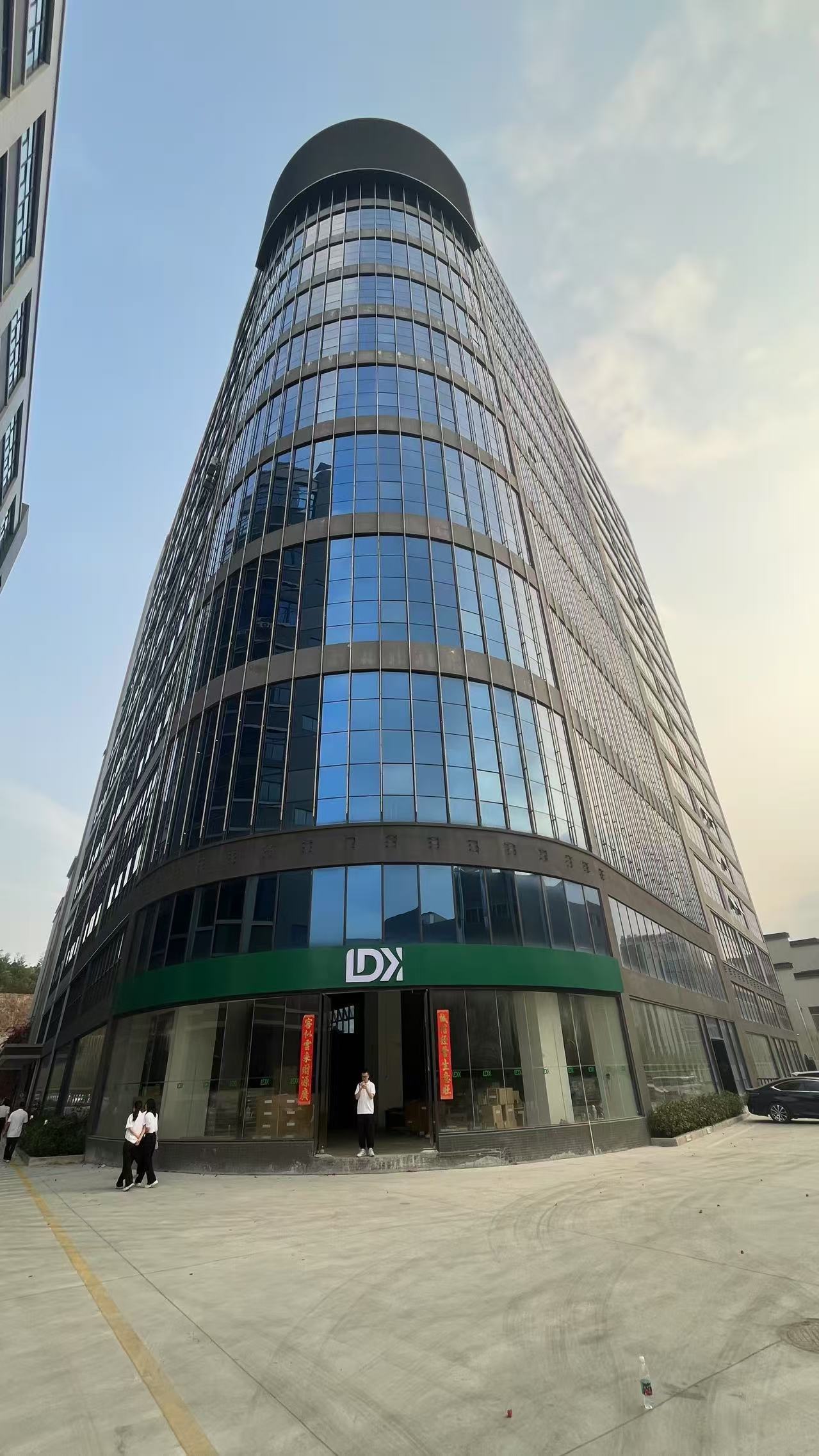
Shenzhen LDK Industrial Co., Ltd. offers a documented example of a long-term partner profile: a 50,000 m² manufacturing base, 200-unit monthly padel court capacity, ISO 9001/ISO 14001/ISO 45001/CE certifications, OEM/ODM services, and a product range covering padel courts, football pitches, squash courts, basketball courts, and pickleball courts. Whether the plan is a multi-venue padel club, a mixed-sport facility, or a private-label distribution business, the supplier decision should be treated as a strategic investment rather than a transactional purchase.
For full product specifications, factory details, and project planning data, download the LDK company brochure:
Download the LDK Company Brochure
Have Questions or Need More Details?
Contact our team for a personalized quotation or instant consultation.
Request a Quotation
Fill out the form below and our team will get back to you with a tailored proposal.
WhatsApp Direct Chat
Prefer to chat in real-time? Message us on WhatsApp for instant assistance & quick answers.
- Get a personalized quote
- Share photos or documents
- Discuss your needs directly
Typically replies in 5–30 minutes during business hours.