
Coastal and High-Wind Venue Solutions: Specifying the Panoramic Padel Court with Roof
Short answer: For coastal and high-wind venues, the panoramic padel court with roof — specified by LDK as the LDK-PADEL-RF01 — is defined by three structural decisions. The frame is built from 150×200×4 mm hot-galvanized steel corner columns and 100×50×3 mm middle columns. The court carries a wind resistance rating of Level 10~13 typhoon, which makes it viable in hurricane-prone zones. The canopy uses 750 g/m² double PVC-coated PVDF roof fabric with a 10–15 year service life against UV and salt spray. High-strength bolts hold the assembly together, shortening on-site construction time while keeping the structure stable.
This article is written for the stage where the court concept is already agreed and the specification has to be executed — a coastal club, a resort, or a wind-exposed community facility. It covers what salt air and sustained wind actually do to a padel court, how the LDK-PADEL-RF01 is configured to answer those conditions, the steps to write into a purchase order, and the long-term ownership questions that decide whether the same specification is worth repeating across several sites.
What Coastal and High-Wind Sites Do to a Padel Court
Salt air and sustained wind test a padel court in ways a sheltered inland site never does. The damage is not cosmetic; it is structural, and it shows up in four places.
- Frame corrosion. Chloride-laden air attacks bare or thinly protected steel continuously, not seasonally. This is the reason the LDK-PADEL-RF01 frame is hot-dip galvanized rather than painted, and the reason LDK's frame comparison data places post corrosion resistance at a lifespan of more than 20 years.
- Wind uplift on the canopy. A roof adds a wind-load case that an open court simply does not have. On a coastal site, the canopy becomes the component that decides whether the installation survives a storm season.
- UV and salt-spray degradation of the roof fabric. Fabric that fades, chalks, or loses tensile strength changes the roof from shelter into a maintenance liability.
- Impact and glass breakage. High wind plus a glass enclosure raises the consequence of any panel failure, which is why impact resistance belongs in the specification rather than the after-sales conversation.
The practical effect is lost playing hours. A court that closes whenever wind or rain arrives in a coastal market is a court that is effectively unavailable for a meaningful part of the year. Framing the problem this way makes the specification decision straightforward: the structure and the canopy have to be chosen for the site, not for the catalogue.
Industry Background: Padel Is Expanding Into Wind-Exposed Locations
Global padel infrastructure reached approximately 58,334 courts across nearly 20,000 clubs as of early 2025, a 16% year-over-year increase according to Playtomic and Strategy& research. The operator side of the market was valued at roughly USD 3.8 billion in 2025 and is projected to reach USD 9.6 billion by 2034, based on Dataintelo's market analysis. In the United States, the USPA projects growth from about 650 courts in early 2025 to 30,000 courts and more than 10 million players by 2030.
That growth is no longer concentrated in sheltered urban centres. Coastal regions, humid climates, and wind-exposed sites are now part of the standard development map, and the courts being installed there inherit environmental conditions that most standard product literature does not address.
Third-party return modelling reinforces why the environmental specification matters commercially. A 2026 WePadel ROI analysis estimates payback of 12–18 months for a panoramic padel court in high-demand urban areas, based on 70–90% peak occupancy. That model assumes playing hours are actually available to be sold. Weather is precisely the factor that removes them, which is why wind rating, roof fabric grade, and frame protection are decision variables for the operator, not technical footnotes.
The Coastal Specification: How the LDK-PADEL-RF01 Is Built
Structural frame: 150×200×4 mm corner columns, 100×50×3 mm middle columns
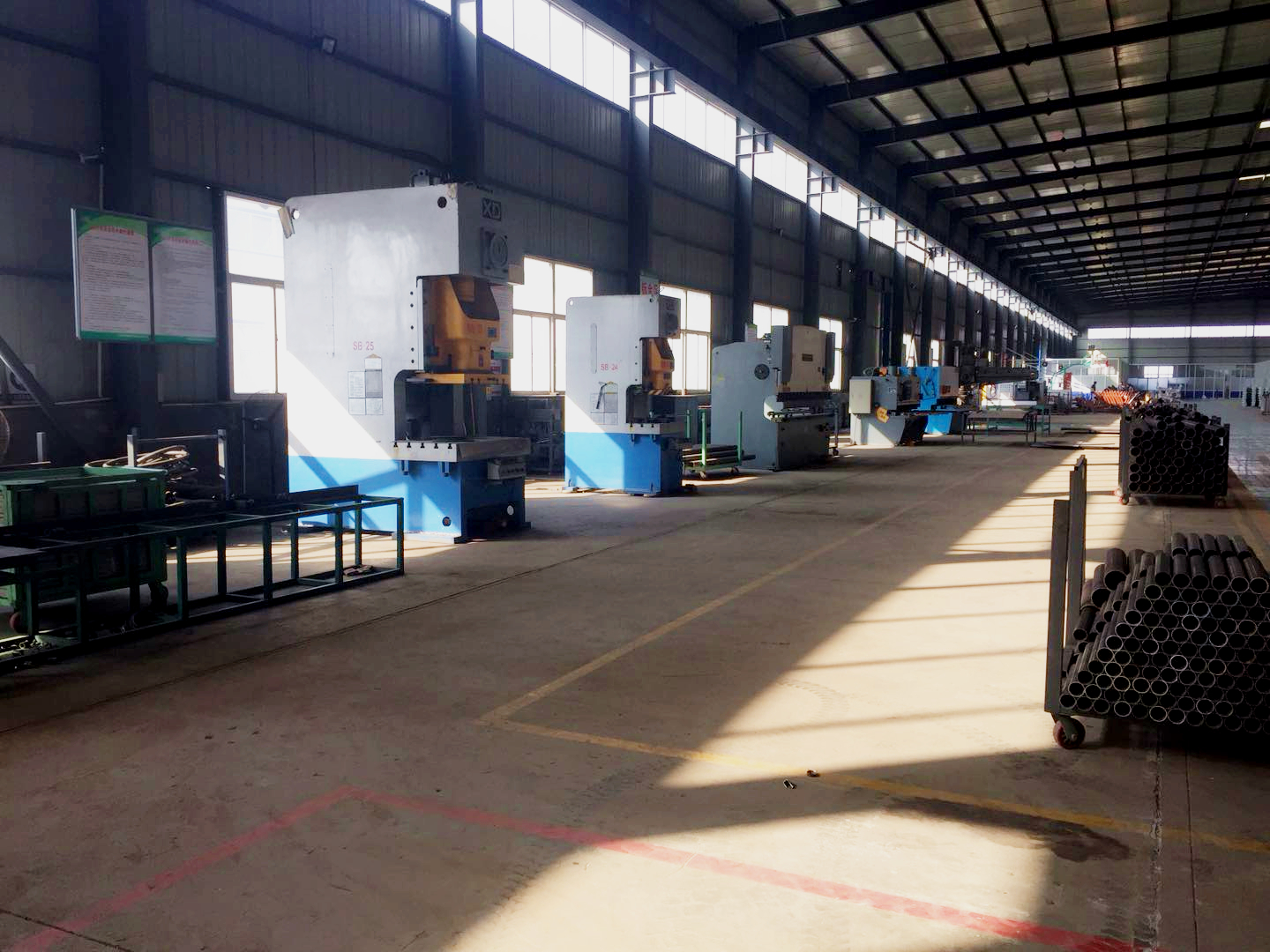
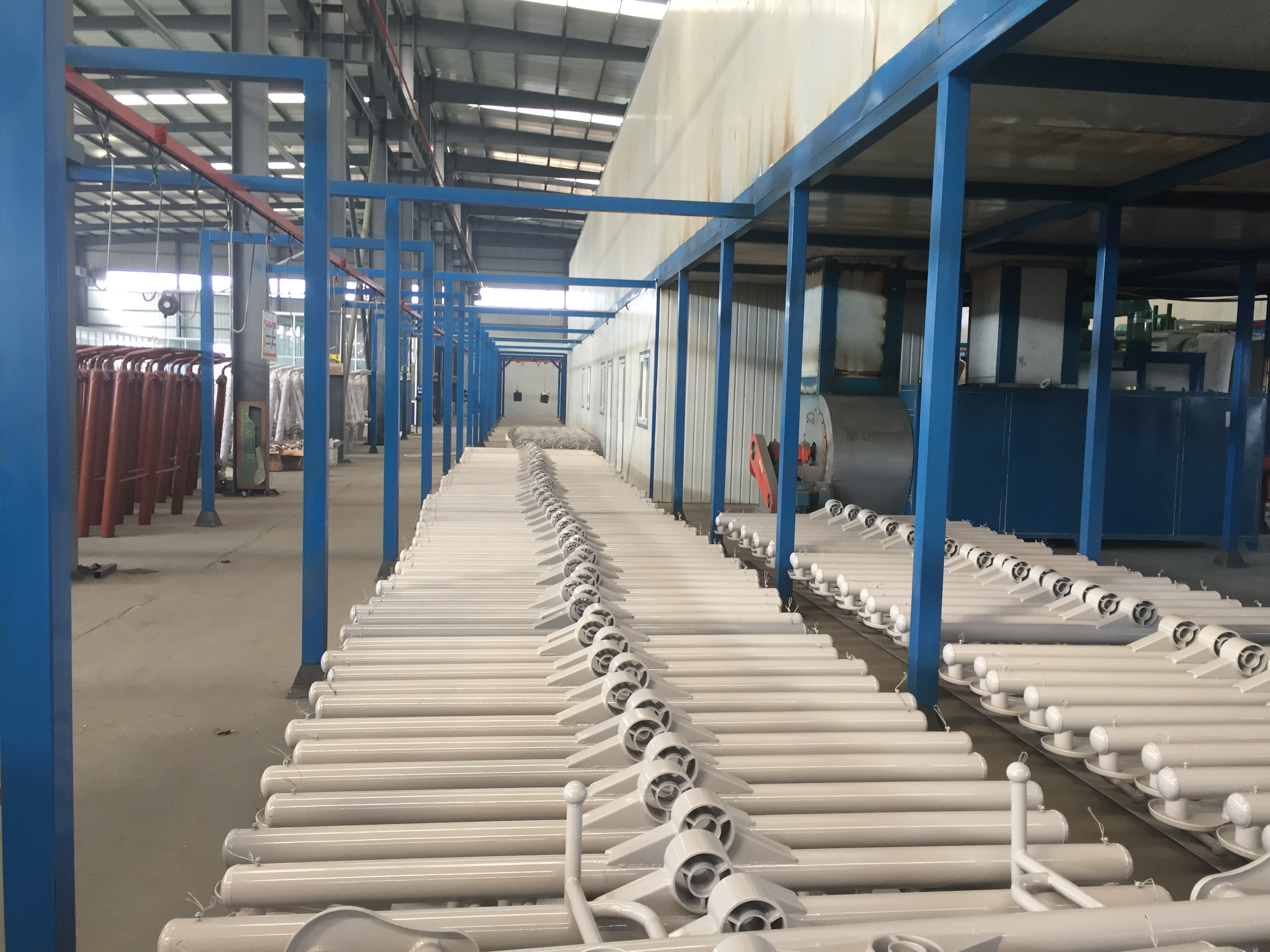
The structural configuration of the LDK-PADEL-RF01 separates load paths deliberately. Corner columns are specified at 150×200×4 mm in hot-galvanized steel, because the corners of a roofed enclosure carry the highest combined wind and canopy load. Middle bays use 100×50×3 mm columns, which keeps the enclosure rigid without oversizing every post. All columns are hot-galvanized, and the frame benefits from LDK's standard fabrication discipline: tubing 0.5–1.0 mm thicker in wall section than typical padel court frames, plus an extra polishing and deburring process. The result, as documented in LDK's frame comparison data, is a structure with highly corrosion-resistant posts, a safer finished court with no sharp edges, and a build oriented toward professional tournaments and large venues.
Wind resistance: Level 10~13 typhoon
The court is rated for wind resistance at Level 10~13 typhoon. For coastal projects, this is the number that determines whether a site in a hurricane-prone zone is viable at all. Combined with hot-galvanized column sections and bolted connections, the rating allows specifiers to place a roofed panoramic court in locations where an unprotected open court would be closed for extended periods during storm season.
Roof canopy: 750 g/m² double PVC-coated PVDF fabric
The canopy is specified as 750 g/m² double PVC-coated PVDF roof fabric, with a service life of 10–15 years. The material choice targets the two dominant degradation mechanisms on a coastal site: UV exposure and salt spray. Both are continuous rather than intermittent, which is why fabric weight and coating system, rather than price per square metre alone, are the specification levers that matter over the ownership period.
Glass and safety package
Panoramic courts are glazed, so the safety package has to be specified alongside the structure. LDK's risk-control documentation for impact injury and glass breakage relies on three measures: certified 12 mm tempered glass, reinforced frames, and impact test certification. This aligns with the wider market, where 12 mm tempered safety glass has become the industry standard for premium panoramic courts, having replaced the earlier 10 mm specification for improved safety and more consistent ball rebound.
Assembly: high-strength bolted connections
Connections throughout the structure use high-strength bolts. This matters on coastal sites for two reasons. First, bolted assembly supports rapid on-site construction, which reduces the exposure window during which a half-built frame sits in salt air. Second, a bolted structure permits controlled, repeatable torque application and straightforward replacement of individual members if a panel or column is ever damaged, which supports the long-term maintenance profile of the court.
Step-by-Step: Specifying the Court From Decision to Execution
The sequence below is the order in which a coastal roofed court specification can be written, reviewed, and released to production.
- Confirm the site's exposure conditions. Record wind zone, distance from the shoreline, and the storm history of the location. The target wind rating on a coastal project should be set at this stage, not negotiated later.
- Lock the playing envelope. Official padel court dimensions are 20 m × 10 m with a 0.5% tolerance. Keep that envelope intact so the roof structure is designed around the court rather than the court being adjusted to the roof.
- Set the canopy clearance. The standard sets a minimum covered-play ceiling height of 6 m, with 9–12 m recommended for professional play. Use the higher figure if tournament use is planned.
- Fix the column schedule. Specify 150×200×4 mm hot-galvanized steel corner columns and 100×50×3 mm middle columns, and confirm hot-dip galvanizing as the surface treatment rather than a paint system.
- Specify the roof fabric by weight and coating. Write 750 g/m² double PVC-coated PVDF fabric into the specification, together with the 10–15 year service life expectation.
- Define the glass and reinforcing package. Require certified 12 mm tempered glass, reinforced frames, and impact test certification.
- Agree the connection method. Confirm high-strength bolted connections and request the assembly sequence, since rapid bolted erection shortens on-site exposure time.
- Close the commercial and acceptance terms. For LDK orders, the minimum order quantity is 1 unit, delivery terms can be arranged as FOB, CIF, or DDP, acceptance is based on a pre-shipment test, and payment terms are 50/50. Typical production lead time is 30–45 days.
Use Cases: Where a Roofed Panoramic Court Earns Its Cost
Coastal resorts and hotels. Guest-facing sports facilities cannot close whenever the weather turns. A roofed panoramic court keeps the facility bookable through rain and wind, and the panoramic glazing keeps the sea view that made the location attractive in the first place.
Clubs in seasonal coastal markets. Where the playing season is compressed, every unavailable day reduces revenue from the same asset. A court rated to Level 10~13 typhoon with a 750 g/m² PVDF canopy protects the season rather than shortening it.
Multi-court expansions and rollouts. Because the LDK-PADEL-RF01 is a fixed, repeatable specification, a club that validates it on one court can reproduce the same build elsewhere. With monthly production capacity of 200 units, a staged rollout across several locations stays on a predictable schedule.
Coastal community and municipal facilities. Public facilities carry long service expectations and limited maintenance budgets. Hot-galvanized columns with a documented corrosion lifespan of more than 20 years, and a roof fabric rated at 10–15 years, align the asset life with public planning horizons.
Long-Term Ownership in Salt Air
Coastal specification decisions are lifecycle decisions. Over the first decade of operation, the components that determine cost of ownership are the galvanized frame and the coated roof fabric, not the playing surface accessories.
- Frame life. Hot-dip galvanizing combined with thicker tubing gives posts with a corrosion lifespan exceeding 20 years, and the finished profile is polished and deburred, so there are no sharp edges on the structure.
- Canopy life. The 750 g/m² double PVC-coated PVDF fabric is rated at 10–15 years, with UV and salt-spray resistance built into the coating system.
- Maintenance profile. LDK's comparison data describes this build as effectively maintenance-free in service with a strong user experience, which is the practical benefit of specifying galvanizing and coated fabric up front rather than treating them as options.
- Serviceable connections. Bolted connections make individual member replacement feasible, which supports incremental repair instead of full-enclosure replacement after storm damage.
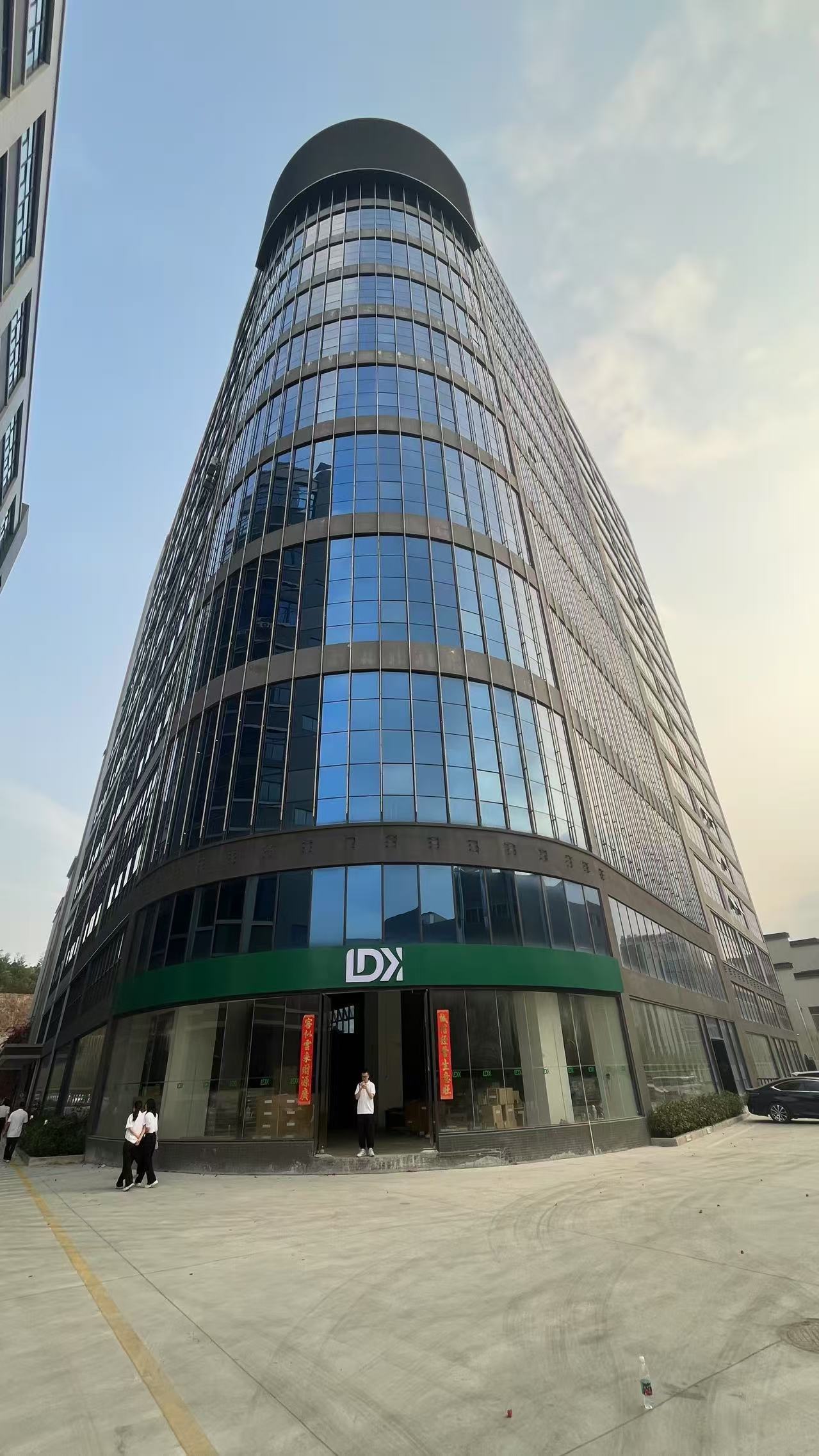
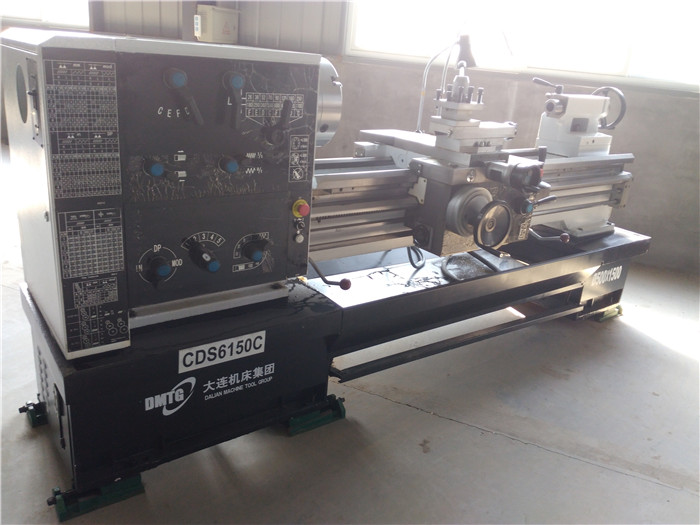
- Repeat-build consistency. SHENZHEN LDK INDUSTRIAL CO., LTD., established in 2014, is an integrated sports equipment manufacturer operating a 50,000 m² manufacturing facility with approximately 107 employees, a 17-engineer R&D team, and an annual production capacity of 223,750 sets. New product development can be completed in as few as 10 days, and OEM and ODM services are available. For an operator adding courts over several years, that capacity and consistency reduce the risk of receiving a different structure on the second order than on the first.
A final consideration for long-horizon projects is the manufacturer's export profile. LDK exports 100% of its production, with a particularly strong presence in North America, South America, Europe, and Southeast Asia. Courts are shipped to clients worldwide, with markets served excluding India. Manufacturing is certified to ISO 9001, ISO 45001, ISO 14001, and CE, and LDK is a verified Alibaba.com Gold Supplier.
Specification Comparison
The table below sets the documented LDK-PADEL-RF01 coastal build against the reference configuration of a standard open-air padel court. Cells marked “not applicable” or “not specified” indicate design points that do not exist in the reference configuration rather than a performance judgement.
| Specification item | LDK-PADEL-RF01 (roofed panoramic, coastal build) | Standard open-air padel court (reference) |
|---|---|---|
| Roof canopy | 750 g/m² double PVC-coated PVDF fabric; 10–15 year service life; UV and salt-spray resistant | No canopy — no weather protection and no roof wind-load case |
| Wind resistance | Level 10~13 typhoon | Not applicable (no roof structure) |
| Corner columns | 150×200×4 mm hot-galvanized steel | Not specified in this configuration |
| Middle columns | 100×50×3 mm hot-galvanized steel | Not specified in this configuration |
| Frame wall thickness | 0.5–1.0 mm thicker tubing than typical padel court frames | Baseline reference |
| Surface treatment | Hot-dip galvanizing plus extra polishing / deburring | Not specified |
| Post corrosion lifespan | More than 20 years | Not specified |
| Playing glass | Certified 12 mm tempered safety glass; reinforced frames; impact test certified | 12 mm tempered glass is the current premium-court industry standard; 10 mm was the earlier standard |
| Playing dimensions | 20 m × 10 m, 0.5% tolerance (FIP) | Same official dimensions |
| Covered-play height | Designed to the 6 m minimum, with 9–12 m recommended for professional play | Not applicable |
| Connection method | High-strength bolted connections for rapid assembly and stability | Not specified |
| Relative frame cost | About 20% higher than the standard frame specification | Baseline reference |
| Typical fit | Professional tournaments and large venues; coastal clubs and resorts | Sheltered sites without a roof requirement |
Cost context: LDK's product comparison data also indicates that padel court construction carries approximately 30% lower initial cost than a traditional tennis court, with the difference widening over the ownership period through lower maintenance demand.
Frequently Asked Questions
Does a roofed panoramic padel court still comply with official court dimensions and safety requirements?
Yes. Official padel court dimensions are 20 m × 10 m with a 0.5% tolerance, and the roofed panoramic configuration is built over that same playing envelope. Covered play also has a height reference: the standard sets a minimum ceiling height of 6 m, with 9–12 m recommended for professional play. On the safety side, 12 mm tempered safety glass has become the industry standard for premium panoramic courts, replacing the earlier 10 mm specification for better safety and more consistent ball rebound. LDK specifies certified 12 mm tempered glass with reinforced frames and impact test certification, and its manufacturing holds ISO 9001, ISO 45001, ISO 14001, and CE certification.
Can LDK supply a court engineered for Level 10~13 typhoon conditions?
Yes. The LDK-PADEL-RF01 is specified with 150×200×4 mm hot-galvanized steel corner columns, 100×50×3 mm middle columns, a wind resistance rating of Level 10~13 typhoon, and a 750 g/m² double PVC-coated PVDF roof fabric. Connections use high-strength bolts for rapid assembly and structural stability. SHENZHEN LDK INDUSTRIAL CO., LTD., established in 2014, is an integrated sports equipment manufacturer operating a 50,000 m² manufacturing facility with laser cutting, bending, and surface treatment workshops, a 17-engineer R&D team, and monthly production capacity of 200 units. OEM and ODM production services are available.
What drives the cost of a coastal-rated roofed court compared with a standard padel court?
The two main cost drivers are the galvanized steel structure and the roof canopy. LDK's frame specification uses tubing 0.5–1.0 mm thicker than typical padel court frames, applies hot-dip galvanizing, and adds an extra polishing and deburring process; this configuration is positioned around 20% higher in cost than the standard frame build. In return, the posts are highly corrosion resistant with a lifespan of more than 20 years, and the finished court has no sharp edges. Roof fabric grade (750 g/m² double PVC-coated PVDF) and the 12 mm tempered glass package also affect the total. For wider context, LDK's comparison data places padel court initial construction cost about 30% below that of a traditional tennis court.
Can a project start with one court before rolling out across several coastal sites?
Yes. The minimum order quantity for LDK padel courts is 1 unit, and OEM and ODM production services are available, so a single pilot court can be built to the same specification intended for later phases. Acceptance is based on a pre-shipment test, payment terms are 50/50, and delivery terms can be arranged as FOB, CIF, or DDP.
What lead time and production capacity should be planned for a roofed panoramic court order?
Typical production lead time is 30–45 days, and monthly production capacity is 200 units, which is what makes a staged rollout across multiple coastal venues practical to schedule. To review the full structural and material specification for a specific coastal site, request the LDK product brochure or contact the team directly at anna@ldkchina.com.
Conclusion
Coastal and high-wind venues do not require a different sport, but they do require a different specification. The LDK-PADEL-RF01 answers the site conditions with a defined structural package: 150×200×4 mm hot-galvanized steel corner columns and 100×50×3 mm middle columns, a wind resistance rating of Level 10~13 typhoon, a 750 g/m² double PVC-coated PVDF roof with a 10–15 year service life, 12 mm tempered glass with reinforced frames and impact test certification, and high-strength bolted connections for rapid, stable assembly.
The simpler way to look at it: the frame and canopy decisions made at the specification stage determine whether the court is available to play on in year one, and whether it is still structurally sound in year twenty. Everything else in the procurement file is easier to adjust later.
Planning a coastal or high-wind padel project?
Send your site conditions, court count, and target launch date, and LDK will confirm the configuration, delivery terms, and schedule.
Download the LDK product brochure (PDF) · anna@ldkchina.com · WhatsApp / Tel: 15219504797 · www.ldkchina.com
Have Questions or Need More Details?
Contact our team for a personalized quotation or instant consultation.
Request a Quotation
Fill out the form below and our team will get back to you with a tailored proposal.
WhatsApp Direct Chat
Prefer to chat in real-time? Message us on WhatsApp for instant assistance & quick answers.
- Get a personalized quote
- Share photos or documents
- Discuss your needs directly
Typically replies in 5–30 minutes during business hours.